
Instant Quote
Your estimate starts here.
We'll follow up within one business day. No pressure, no upsells.
Overview
Our Services in Evergreen
Home hardening in Evergreen isn't just a fire safety measure anymore. It's the difference between a paid insurance claim and a denied one. Colorado Insurance Commissioner Michael Conway has specifically named Evergreen and neighboring Conifer on the Highway 285 corridor as communities where homeowners are struggling to find coverage at any price, and the numbers behind that statement are brutal: premiums up 57.9% statewide between 2018 and 2023, non-renewals up 77%. If your property sits in Bergen Park, Brook Forest, Kittredge, Marshdale, Idledale, or Bear Creek, you're in the zip codes insurers are quietly exiting. Joe Slota at Complete Estate Care works directly with Evergreen homeowners to build the defensible space and documentation record that gives you legal standing before a fire ever starts. Call Joe at (303) 304-9997 to schedule your free site assessment.
Complete Estate Care serves the Evergreen area from Denver, covering the full Jefferson County foothills corridor including the wildland-urban interface zones that Evergreen Fire/Rescue classifies as high to extreme risk. Joe knows this terrain. He understands how Gambel oak regrows after a cut, how ponderosa pine spacing works on a slope that drops toward a drainage, and why the fire behavior on a lot that faces southwest is completely different from its neighbor across the road. That's not something you learn from a training manual. Evergreen sits about 30 miles from our Denver base, and Joe can typically schedule a first site visit within a week. Most Evergreen properties he works on produce a formal mitigation report within 10 days of project completion, formatted specifically for insurance underwriters and county fire programs.

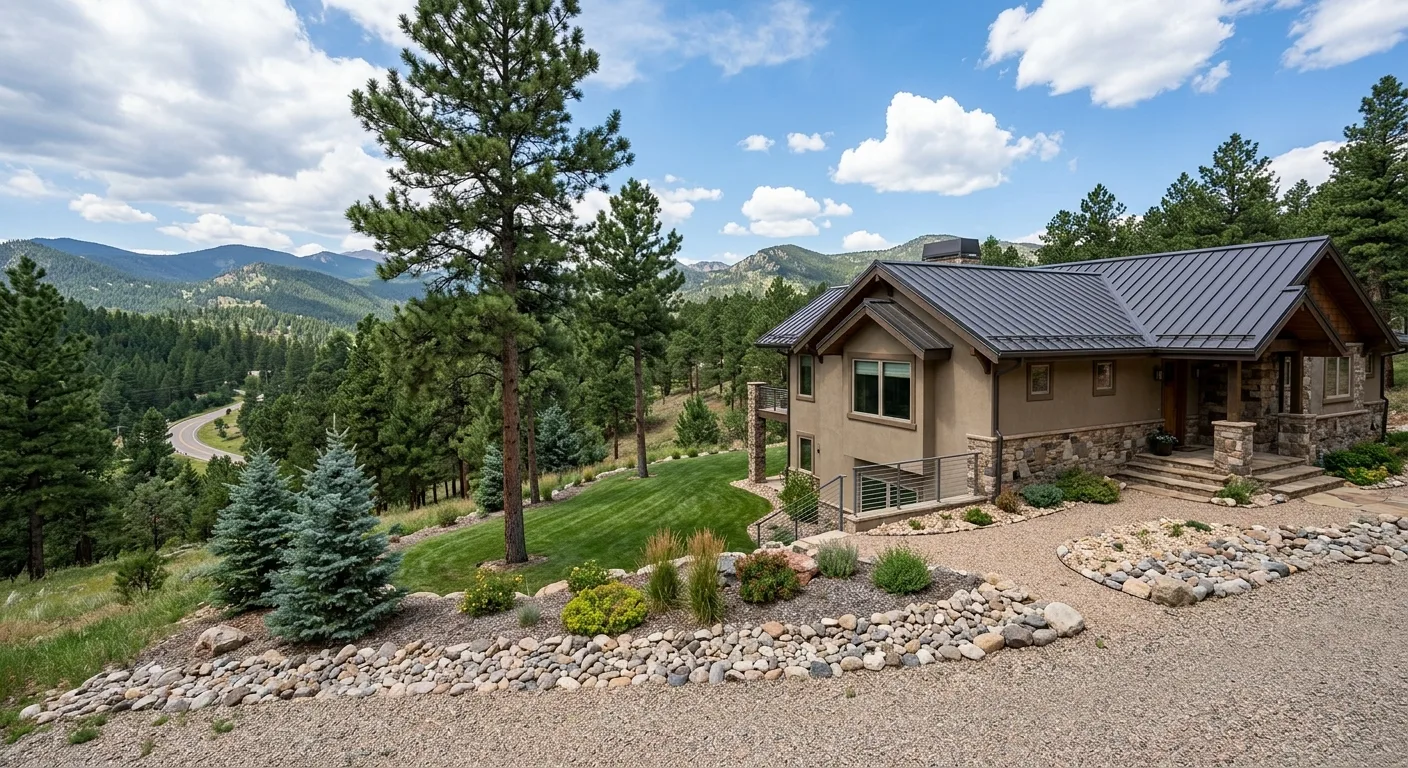
home hardening work — project example in Denver, CO
The Hoogendoorn Case: What 'Doing Everything Right' Actually Gets You
Steve and Jen Hoogendoorn are Evergreen homeowners who spent years doing everything right. Steel roof. Concrete decking. Annual tree removal, up to 10 cords a year. Defensible space maintained out to 300 feet. They organized their neighbors, ran community work days with chainsaws, and helped plan evacuation routes. Evergreen Fire Rescue's wildland project coordinator rated them A-plus. Farmers Insurance non-renewed them anyway. No inspector ever visited the property. That case tells you everything about the current insurance environment in Evergreen. Doing the work isn't enough. Proving you did the work, with documentation an underwriter can read and an attorney can use, is the part most homeowners skip. That paper trail is your evidence. It shows you acted in good faith before a fire occurred. It shows what your property looked like before any loss. It gives your attorney something concrete to work with if your insurer disputes your claim, delays payment, or argues your damage was caused by deferred maintenance. We don't just protect your home from fire. We protect you from your insurance company.
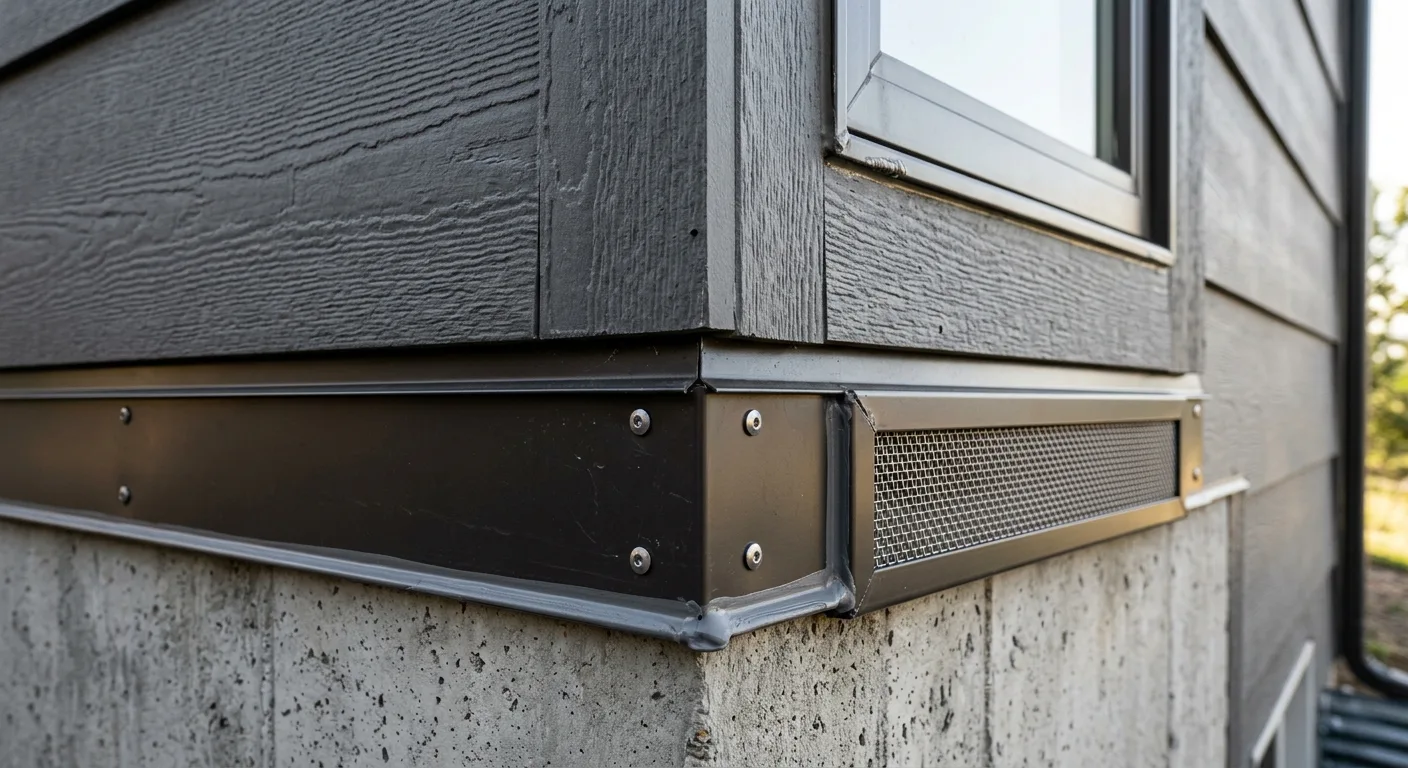
What Complete Estate Care Delivers on Every Evergreen Project
Every project Joe completes in Evergreen produces a physical documentation record, not just cleared brush. Here's what leaves with you when the work is done.
GPS-Tagged Debris Mapping
Formal Post-Mitigation Report
CSFS-Aligned Defensible Space Zones
HB25-1182 Insurance Compliance Documentation
IBHS Wildfire Prepared Home Pathway Support
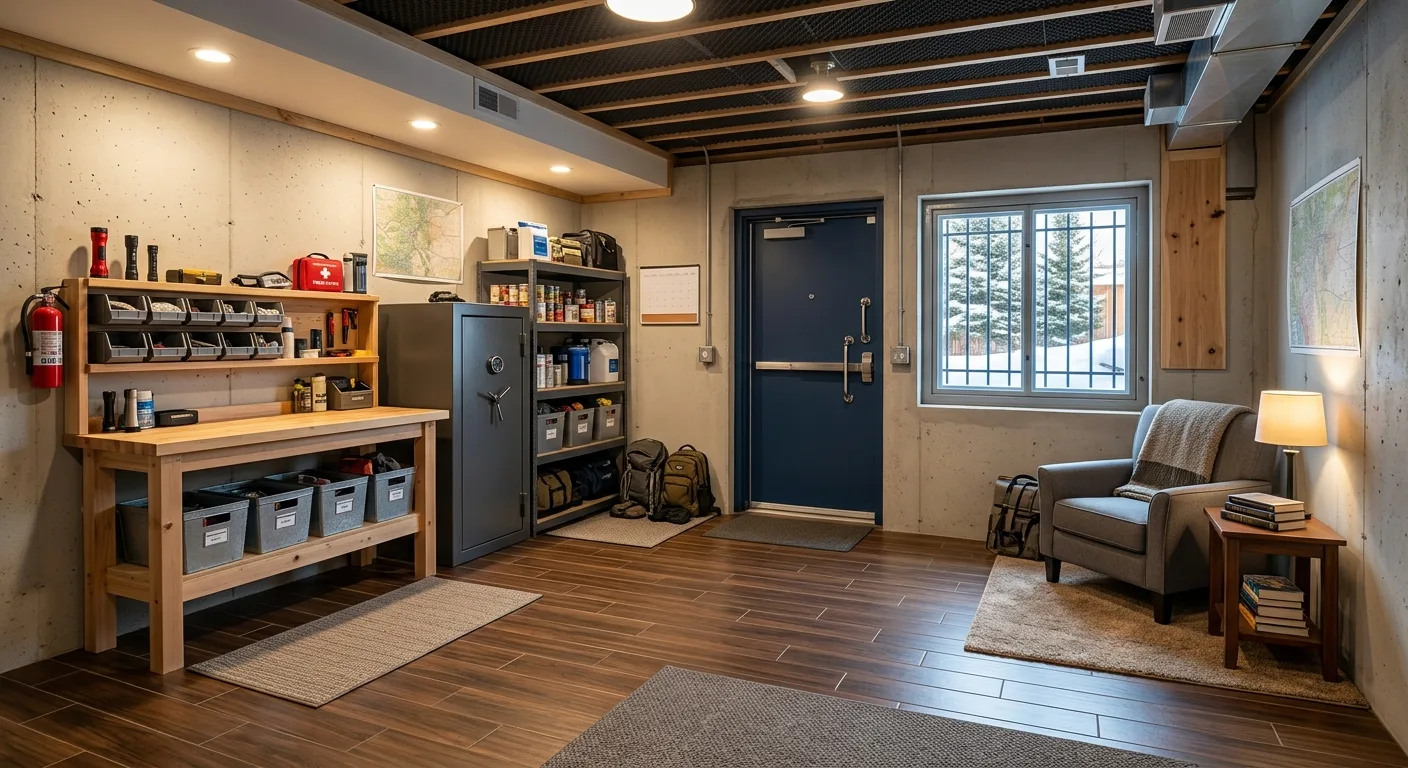
home hardening work — project example in Denver, CO
Evergreen's Fire Risk Isn't Generic. Your Defensible Space Shouldn't Be Either.
Jefferson County has designated the greater Evergreen area within the wildland-urban interface, and that classification carries real weight. The 2012 Lower North Fork Fire burned terrain with direct similarities to neighborhoods throughout the Evergreen corridor: forested slopes, narrow drainages, heavy fuel loads, and wind-driven fire behavior that outpaced evacuation timelines. Fire behavior analysts have used that fire as a case study for the entire Jefferson County foothills. Your lot isn't abstract. The Gambel oak thicket behind your house resprouts aggressively after cutting and needs follow-up treatment in cycles. The ponderosa stands on steeper pitches act as ladder fuel pathways straight to your roofline. On south and southwest-facing slopes, moisture deficit and fire spread rate are measurably worse than flat terrain. Joe has worked the Evergreen area long enough to know which specific vegetation conditions demand different treatment approaches, and he adjusts zone recommendations based on your actual slope, aspect, and fuel load, not a one-size template. Explore the home hardening services page if you want a broader picture of how structural upgrades layer on top of cleared ground zones.
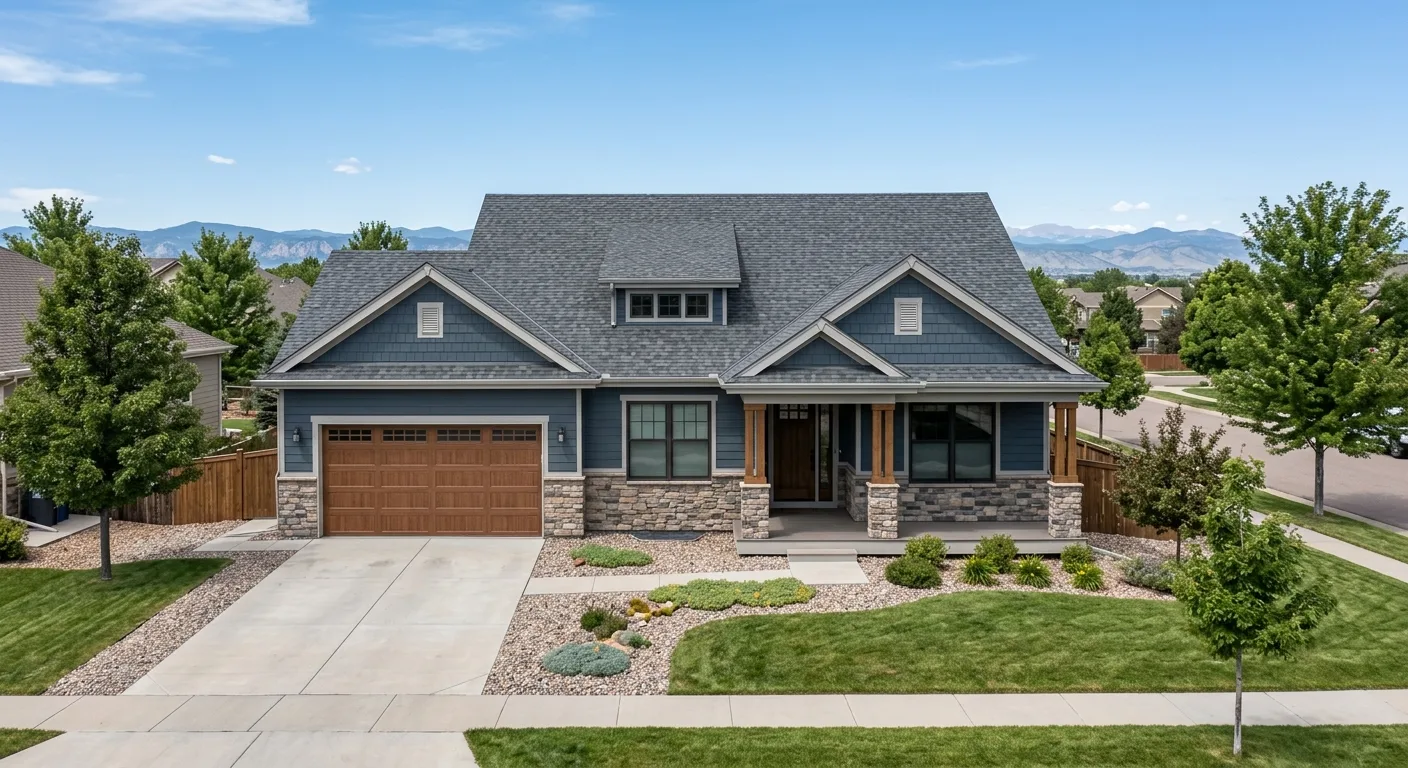
home hardening work — project example in Denver, CO
What Defensible Space Actually Costs in Evergreen
Professional defensible space treatment in Evergreen and the surrounding Jefferson County foothills typically runs from $3,000 to $15,000 or more, depending on lot size, terrain steepness, vegetation density, and how much work has been done previously. A smaller Evergreen lot under an acre with moderate forest density commonly falls in the lower half of that range. A heavily forested two-acre property with steep grades and years of accumulated fuel can run considerably higher. What drives cost isn't the service itself. It's the specific conditions on your property. Use our cost calculator to get a rough range before you call, then talk to Joe directly for an honest assessment of what your specific lot needs. Every job is different. Contact Complete Estate Care for an accurate estimate. You can also ask Joe about the Colorado Wildfire Mitigation Tax Credit, which can offset a meaningful portion of documented mitigation costs for qualifying Evergreen homeowners.
home hardening work — project example in Denver, CO
HB25-1182 Gives Evergreen Homeowners Legal Footing. Use It.
Before Colorado passed HB25-1182, your insurer could run a black-box risk model, assign your property a high score, and use it to justify a non-renewal or a premium spike, with no obligation to show their work and no legal path for you to challenge it. That's changed. Under the new law, you can now request the methodology behind your risk score, submit documented mitigation evidence for reconsideration, and formally appeal. But the law only works if you have documentation. Think about the Hoogendoorns. Under HB25-1182, a homeowner with their level of mitigation, combined with professional documentation, would have statutory grounds to force their insurer to reconsider. That's not a guarantee. It's standing. Right now, most Evergreen homeowners don't have it because they haven't built the file. That's the gap Complete Estate Care closes. Read more about Colorado's wildfire history and the policy context driving these changes at our Colorado wildfire history resource.
FAQ Common questions
Evergreen Defensible Space: Common Questions
Answers below
How far from my house does defensible space need to extend in Evergreen? +
Colorado State Forest Service guidelines set Zone 1 at 0 to 30 feet from the structure and Zone 2 from 30 to 100 feet, but those numbers are minimums for flat ground. On Evergreen's steeper lots, Zone 1 should extend further downhill because fire travels upslope faster than on flat terrain. Joe evaluates your specific slope and aspect during the site assessment and recommends zone distances based on your actual conditions, not a one-size number.
My property is in Kittredge. Does that change what I need? +
Kittredge sits at the lower elevation end of the Bear Creek corridor, with different vegetation density and slope profiles than Bergen Park or Brook Forest. Properties near the creek corridor often have more riparian shrub growth in Zone 1, which requires different treatment than upland ponderosa stands. Joe has worked properties throughout the Evergreen area including Kittredge and adjusts the approach to what's actually growing on your lot.
What happened in the 2012 Lower North Fork Fire, and does it matter for my Evergreen neighborhood? +
The Lower North Fork Fire burned in Jefferson County terrain with strong similarities to Evergreen: dense ponderosa and Gambel oak on slopes, narrow drainages, and wind-driven fire behavior. It destroyed over 20 homes and killed three people. Fire behavior experts have used it as a direct case study for the broader Jefferson County foothills. Your neighborhood's specific fuels, slope direction, and development density determine how closely that event applies to your property. Joe can walk through that during an on-site assessment.
Can defensible space work actually help me keep my insurance in Evergreen? +
It depends on the carrier and your documentation. Doing the physical work matters less than proving you did it in a format underwriters recognize. Complete Estate Care delivers time-stamped photos, GPS-tagged work records, and formal post-mitigation reports specifically formatted for insurance submissions. Combined with the IBHS Wildfire Prepared Home pathway and HB25-1182 documentation rights, that record gives you more standing than the vast majority of Evergreen homeowners currently have. It's not a guarantee, but it's the strongest argument available.
How do I handle Gambel oak on my Evergreen property? It grows back fast. +
Gambel oak is aggressive resprouter after cutting, which means a one-time clearance isn't a permanent solution. Effective management typically involves cutting, treating cut stumps with an appropriate herbicide to slow resprouting, and scheduling follow-up visits 12 to 18 months later to address new growth before it reestablishes a continuous shrub layer. Joe builds that cycle into the project scope for Evergreen properties with significant oak coverage so you're not starting from scratch every two years.
What's included in the post-mitigation report Complete Estate Care provides? +
The report documents project scope, specific vegetation types removed, treatment methods used, zone boundaries relative to your structure, and before and after photographic records with timestamps. GPS coordinates are included for major debris removal locations. The report is formatted to meet insurance underwriter requirements and is structured to support IBHS Wildfire Prepared Home designation applications and HB25-1182 appeal submissions. You get a file that works, not a summary letter.
Protection Cost Estimate
Schedule Your Evergreen Site Assessment with Joe Slota
If you're in Bergen Park, Brook Forest, Kittredge, Marshdale, Idledale, Bear Creek, or anywhere in the Evergreen corridor, the time to build your documentation record is before your next insurance renewal, not after a non-renewal notice lands. Joe Slota is the person who answers the phone, comes to your property, and does the work. Call him directly at (303) 304-9997 or request a free site assessment and start building the paper trail your property needs.
Call (303) 304-9997 Free · No obligation
Or send us your info
FAQ Common questions
Frequently Asked Questions
Answers below
How far from my house does defensible space need to extend in Evergreen? +
Colorado State Forest Service guidelines set Zone 1 at 0 to 30 feet from the structure and Zone 2 from 30 to 100 feet, but those numbers are minimums for flat ground. On Evergreen's steeper lots, Zone 1 should extend further downhill because fire travels upslope faster than on flat terrain. Joe evaluates your specific slope and aspect during the site assessment and recommends zone distances based on your actual conditions, not a one-size number.
My property is in Kittredge. Does that change what defensible space work I need? +
Kittredge sits at the lower elevation end of the Bear Creek corridor, with different vegetation density and slope profiles than Bergen Park or Brook Forest. Properties near the creek corridor often have more riparian shrub growth in Zone 1, which requires different treatment than upland ponderosa stands. Joe has worked properties throughout the Evergreen area including Kittredge and adjusts the approach to what's actually growing on your lot.
Can defensible space work help me keep my homeowners insurance in Evergreen? +
It depends on the carrier and your documentation. Doing the physical work matters less than proving you did it in a format underwriters recognize. Complete Estate Care delivers time-stamped photos, GPS-tagged work records, and formal post-mitigation reports formatted for insurance submissions. Combined with the IBHS Wildfire Prepared Home pathway and HB25-1182 documentation rights, that record gives you more standing than most Evergreen homeowners currently have.
How does Gambel oak management work on an Evergreen property? +
Gambel oak is an aggressive resprouter after cutting, which means a one-time clearance isn't a permanent solution. Effective management involves cutting, treating cut stumps to slow resprouting, and scheduling follow-up visits 12 to 18 months later to address new growth before it reestablishes a continuous shrub layer. Joe builds that cycle into the project scope for Evergreen properties with significant oak coverage so you're not starting from scratch every two years.
What does the post-mitigation report from Complete Estate Care include for Evergreen homeowners? +
The report documents project scope, vegetation types removed, treatment methods, zone boundaries relative to your structure, and before and after photographic records with timestamps. GPS coordinates are included for major debris removal locations. It's formatted to meet insurance underwriter requirements and supports IBHS Wildfire Prepared Home applications and HB25-1182 appeal submissions. You get a file that works, not a one-page summary letter.
How does the 2012 Lower North Fork Fire relate to Evergreen neighborhoods today? +
The Lower North Fork Fire burned Jefferson County terrain with strong similarities to Evergreen: dense ponderosa and Gambel oak on slopes, narrow drainages, and wind-driven fire spread. It destroyed over 20 homes and killed three people. Fire behavior analysts have used it as a case study for the broader Jefferson County foothills. Your neighborhood's specific fuel loads, slope direction, and development density determine how directly that event applies to your property.